

For those ready to step beyond familiar tree lines and test their skills against a broader landscape that’s far from home, the red stag offers a new and exciting hunting experience. By no means is it a replacement for the whitetail, but rather serves as an expansion of the sporting experience - taking the patience learned in the woods and applying it to sweeping high-country terrain.
Understanding the key differences between these two iconic game species is essential - not only to prepare you for the physical and tactical demands of the field, but to help you determine if this pursuit is the next challenge for your hunting bucket-list.
Transitioning from white tail deer hunting to stalking red stag requires shifting from a static game of concealment to an active, dynamic pursuit across an expansive country. While the world's premier, gold-standard red stag hunting requires crossing the equator to the rugged mountain peaks of New Zealand's South Island, a world-class alternative exists closer to home in North America at Venator’s Oklahoma's Ranch.
Success relies on stationary precision. You pattern localised movements, set up over bottleneck corridors or agricultural edges, and wait for a single split-second opportunity as a buck slips silently through dense cover.
The stag hunt demands active exploration. Utilising classic spot-and-stalk methodology, hunters glass vast mountain faces, navigate rugged elevation changes, and plan methodical stalks on dominant animals holding harems in open country.

Adaptation to vastly different environments has shaped distinct physical characteristics, defensive mechanisms, and anatomical scale.
Whitetails are famous for their namesake - a long tail with a stark white underside that flags upright as an alarm signal in dense timber. Red stags sport a deep reddish-brown summer coat that transitions to a thick grey-brown in winter, accented by a pale cream rump patch and a short, seamless tail built for high-altitude weather.
While a mature whitetail buck features a sleek frame (~1 meter shoulder height, 100–300 lbs) designed for agile evasion, a mature red stag stands up to 1.3 meters at the shoulder and weighs 200–500+ lbs. Its massive chest, heavy neck mane, and authoritarian stance command open valleys.

The geometric divergence between these two crowns highlights two distinct evolutionary strategies, each dictated by the landscape the animal was built to conquer.
Built for navigating dense thickets, whitetail racks feature a single main beam curving forward on each side, with upright vertical tines rising systematically directly from the beam.
Designed for open-country dominance, stags develop massive, multi-tined crowns that sweep outward and upward. A mature trophy stag boasts a complex top structure with 10 to 30+ points, featuring remarkable mass, spread, and symmetry. Venator is globally recognised for producing world record red stag trophies distinguished by exceptionally long scoring tines.

Perhaps the most exhilarating leap for a white tail hunter is the change in how game behaves and is located during the rut.
Whitetail bucks rely on stealth, cautious scent-marking, subtle rub lines, and scrapes. It is an internal, cerebral game where a single snapped branch can ruin a hunt.
Hunting a red stag during the rut - known as "the Roar" - is an intensely auditory, high-octane experience. Rather than slipping silently through cover, dominant stags aggressively assert dominance by bellowing deep, guttural roars that echo across glacial valleys, allowing hunters to spot, stalk, and engage based on sound.

One of the greatest benefits for the passionate whitetail hunter seeking new challenges is the ability to extend the big-game calendar year-round.
While North American whitetails demand your attention from October through December, the biological calendar flips across the equator. In New Zealand, the legendary Red Stag "Roar" peaks from late March through April. By bridging both hemispheres, sportsmen can pursue world-class big game in hard antler during the North American spring.

Taking on a new pursuit means targeting world-class representation of the species. Just as serious whitetail managers invest in land management and herd quality, world-class stag hunting relies on legendary stewardship.
New Zealand’s herds trace back to royal European stock introduced in the 19th century. At Venator’s exclusive estates in Wānaka, New Zealand, and their luxury ranch in Oklahoma, master red deer managers have spent over three decades refining these historic bloodlines.
Venator consistently yields stags boasting historic antler mass, impressive spread, and perfect symmetry - with trophies routinely scoring from 500 to over 1000+ SCI.

For those who are seeking to venture beyond whitetail deer and take on the challenge of the red stag, Venator stands ready to deliver the journey of a lifetime. Owned and operated by Duncan Fraser and family for over three decades, Venator redefines a luxury big-game hunting trip, by pairing world-class trophies with five hospitality.
Unwind at Cardrona Terraces or Wānaka Haven - luxurious rural sanctuaries featuring private suites, heated pools, custom gun rooms, and sweeping mountain views.
Savor "New Zealand on a Plate," artfully prepared by in-house chefs using wild game, fresh local produce, and premier regional wines.
Enjoy heli-skiing, West Coast "Catch and Cook" flights, private hot pools, and private wine tours across Wānaka and Queenstown.
Keep reading our journal entries.

For most international hunters, traveling to New Zealand is the ultimate bucket-list pursuit - a journey across the globe to stalk trophy game through rugged, world-class terrain. Because a hunt of this magnitude requires significant planning and travel time, choosing the right outfitter is the foundation for transforming a long-planned trip into the flawless experience you’ve always dreamed of.
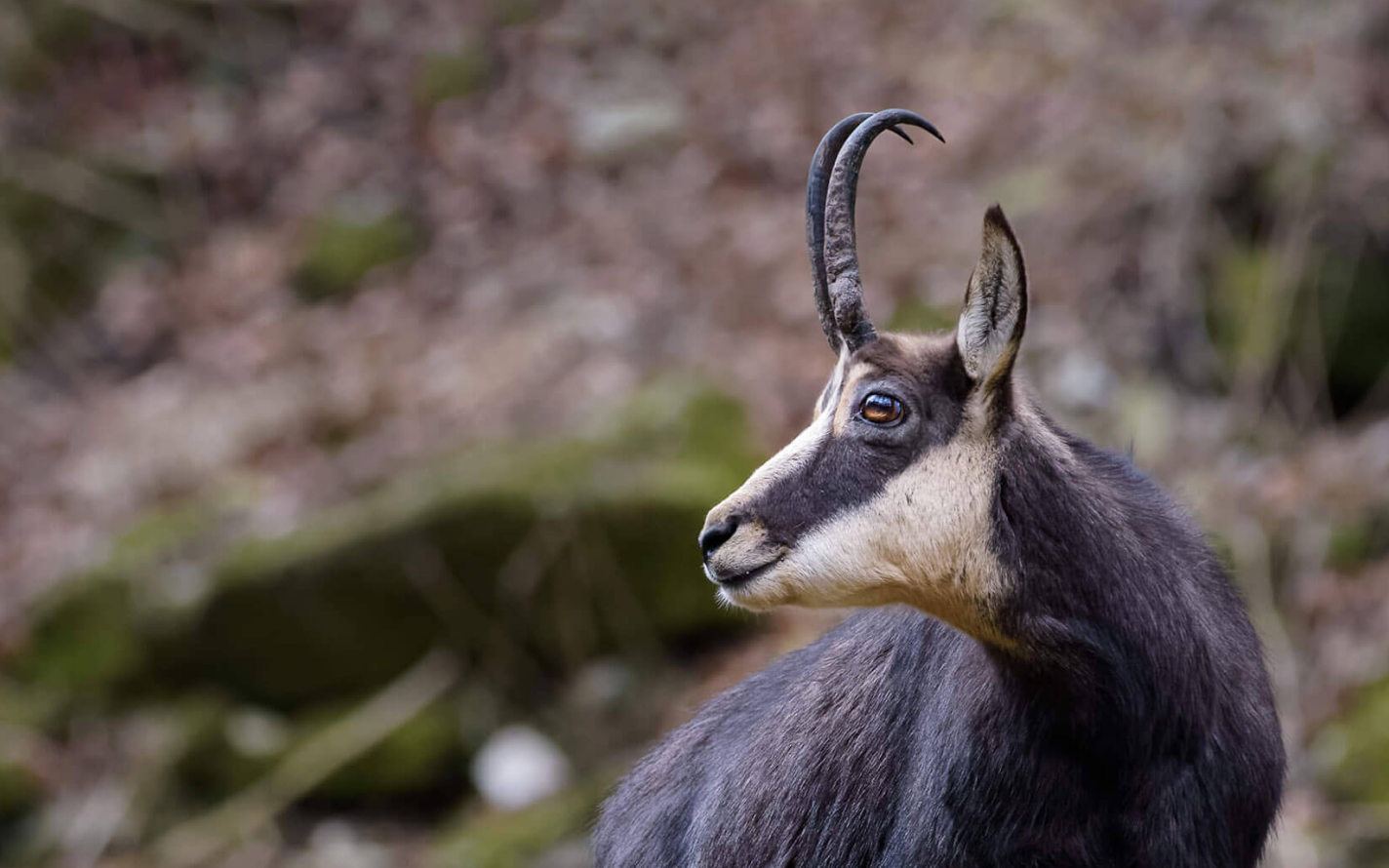
For any big game hunter, stepping into high-altitude terrain represents the ultimate test of fieldcraft, grit, and physical performance. While harvesting a world-class Red Stag stands as one of the undisputed centerpiece of any South Pacific safari, hunters know that the Southern Alps offer a secondary high-country challenge unmatched in vigilance and vertical terrain: the European chamois (Rupicapra rupicapra).
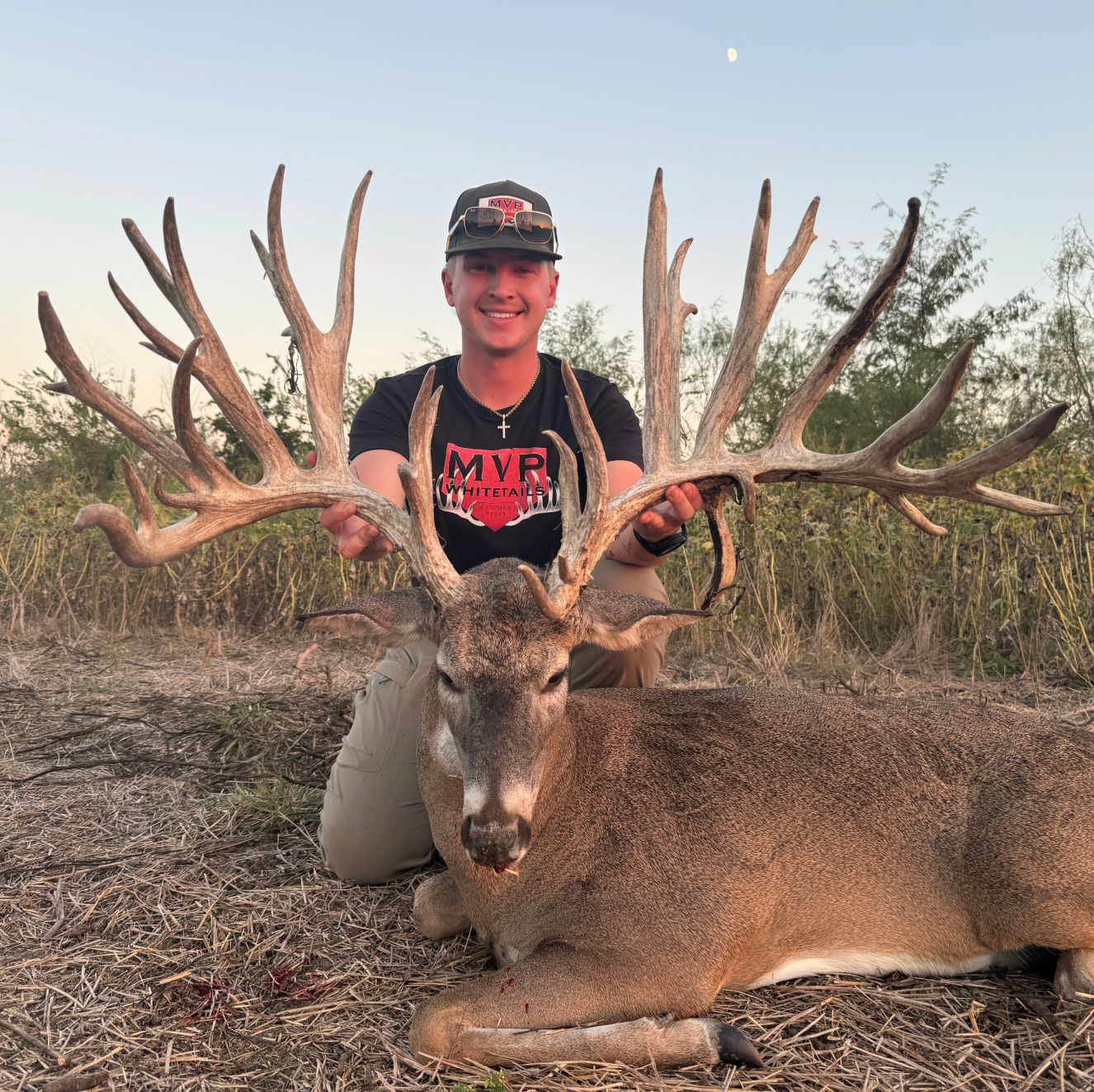
One of the great things about hunting is the people you meet along the way. Time outdoors, respect for the animals and a shared passion for quality hunting often turn clients into friends. For this Partner Showcase, we spoke with Jade and Jalen Webster from MVP Whitetails, a family-run Texas operation known for high quality whitetail trophies and genuine hospitality.